Notes from building fedo.

Engineering write-ups, release notes, and what we learn shipping an SDK people put in front of their users.
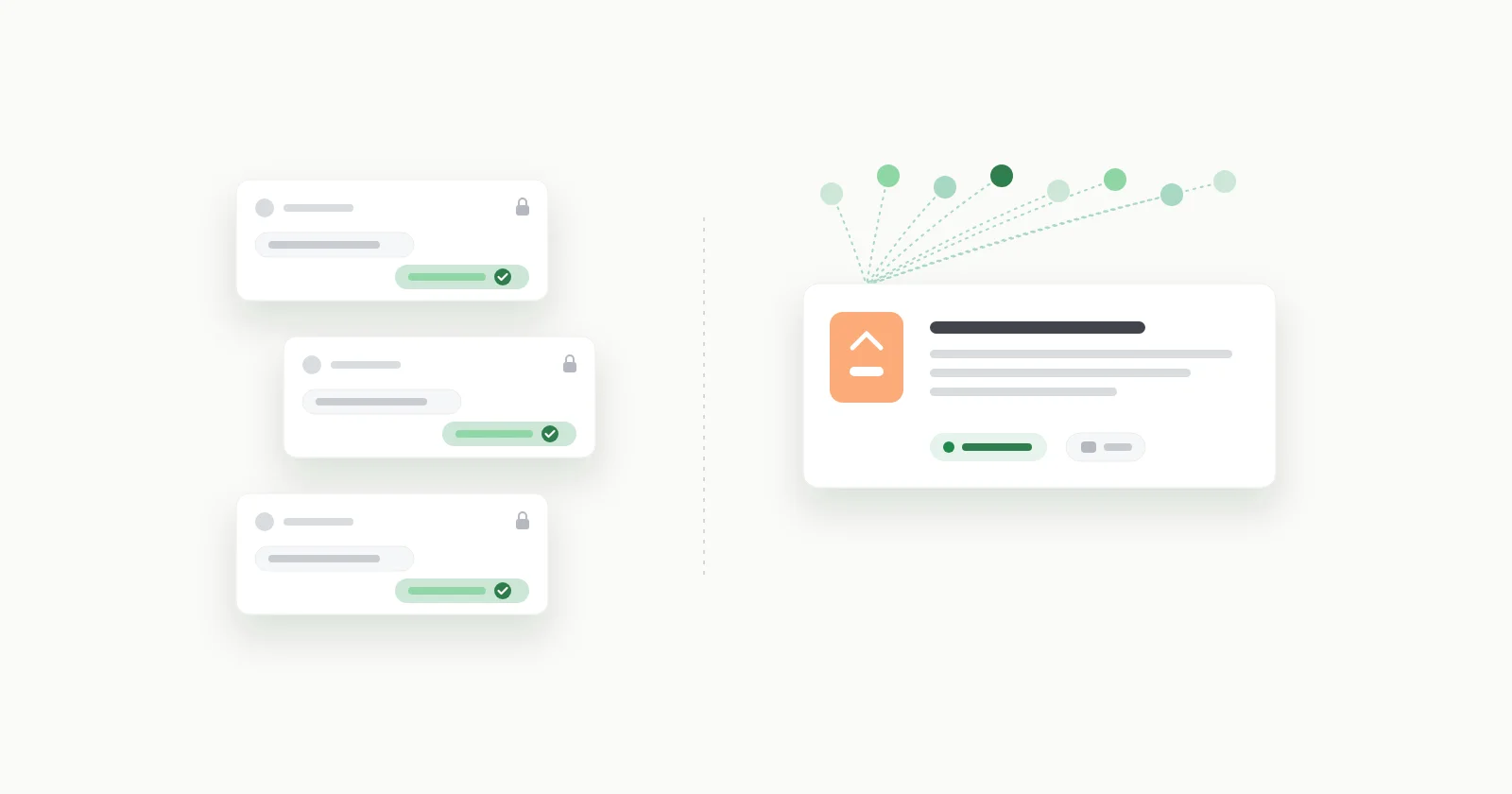
Three private chat threads on the left, each with a lock and a solved check mark, beside one feedback card on the right whose apricot vote button eight user dots converge on
Product October 1, 2026 · 11 min read

In-app feedback vs support tools: which do you need?

Intercom and Zendesk answer one user in private. Feedback boards let many users vote on what you build. Here is which one your app needs.
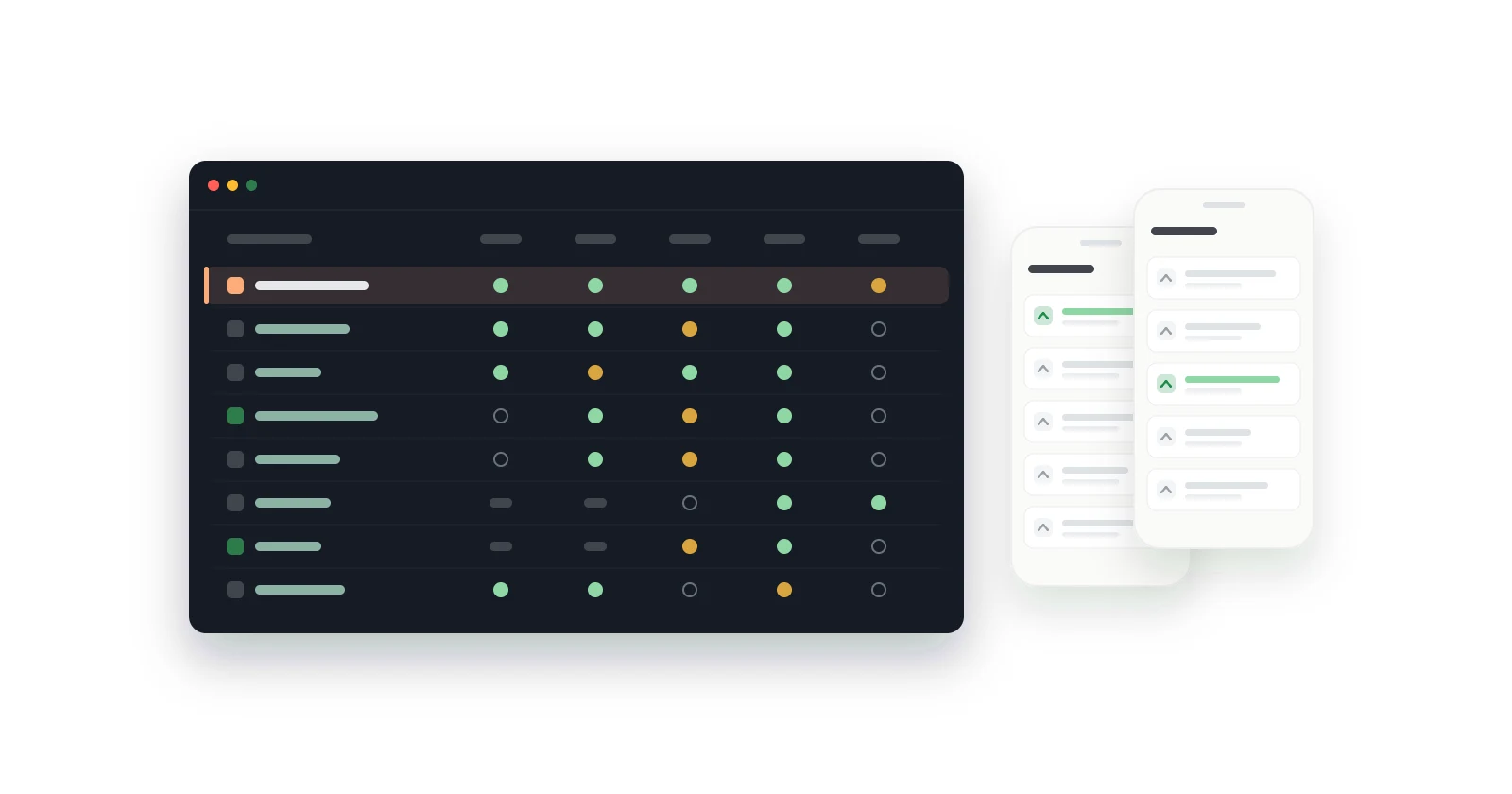
A dark comparison grid of nine rows with green and grey status dots, one row highlighted in apricot, beside two phone outlines showing feedback boards
Guides September 29, 2026 · 12 min read

In-app feedback SDKs for Android and iOS, compared

Nine feedback and feature-voting tools for native mobile apps, checked against the same criteria: native UI or WebView, platforms, anonymous voting, and price.
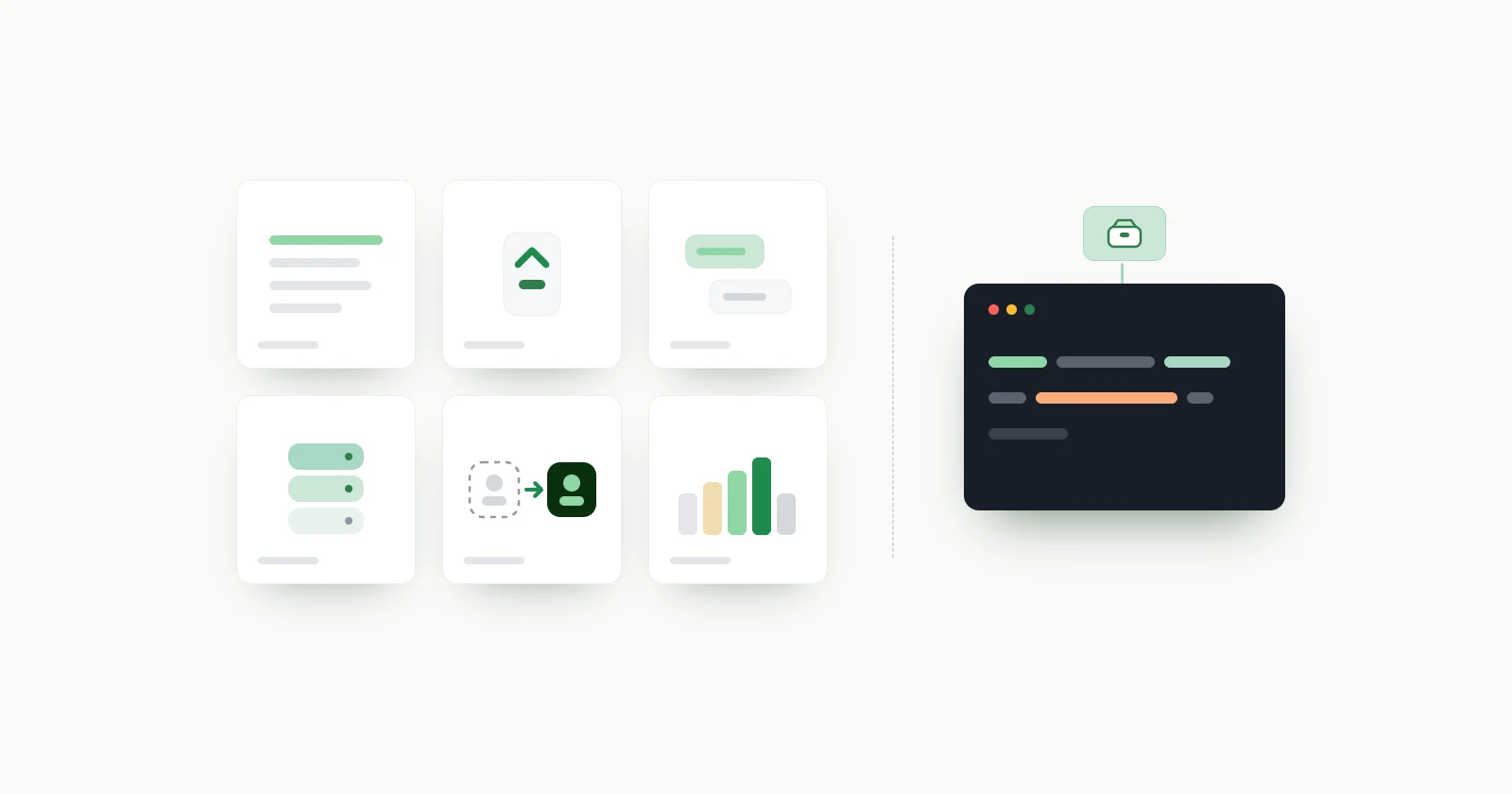
Six separate tiles - a list, a vote arrow, a comment thread, a database, an anonymous avatar turning into an account, and a kanban board - beside one dark code window under a package icon
Product September 29, 2026 · 8 min read

Build or buy in-app feedback? An honest answer

A mailto link is enough for many apps. When users need to see and vote on each other's requests, here is what building it yourself actually involves.
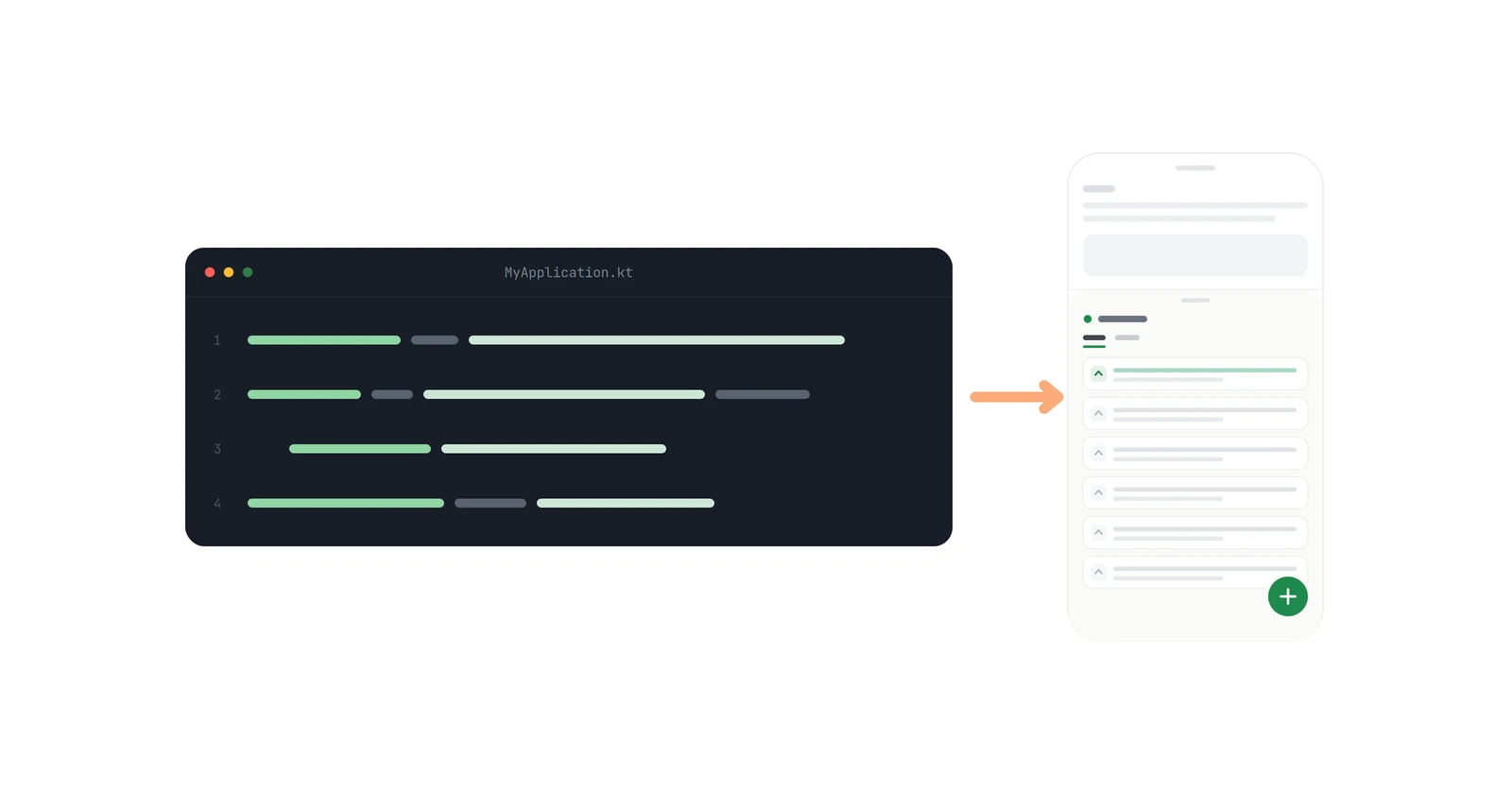
A dark code editor window with four highlighted statements, an orange arrow pointing right to a phone where a fedo feedback list has opened with vote arrows and an add button
Guides September 18, 2026 · 8 min read

Add in-app feedback to an iOS app in two calls

One Swift package, one initialize call, one SwiftUI view. The SwiftPM rule the beta needs, and the three places iOS integrations go wrong.
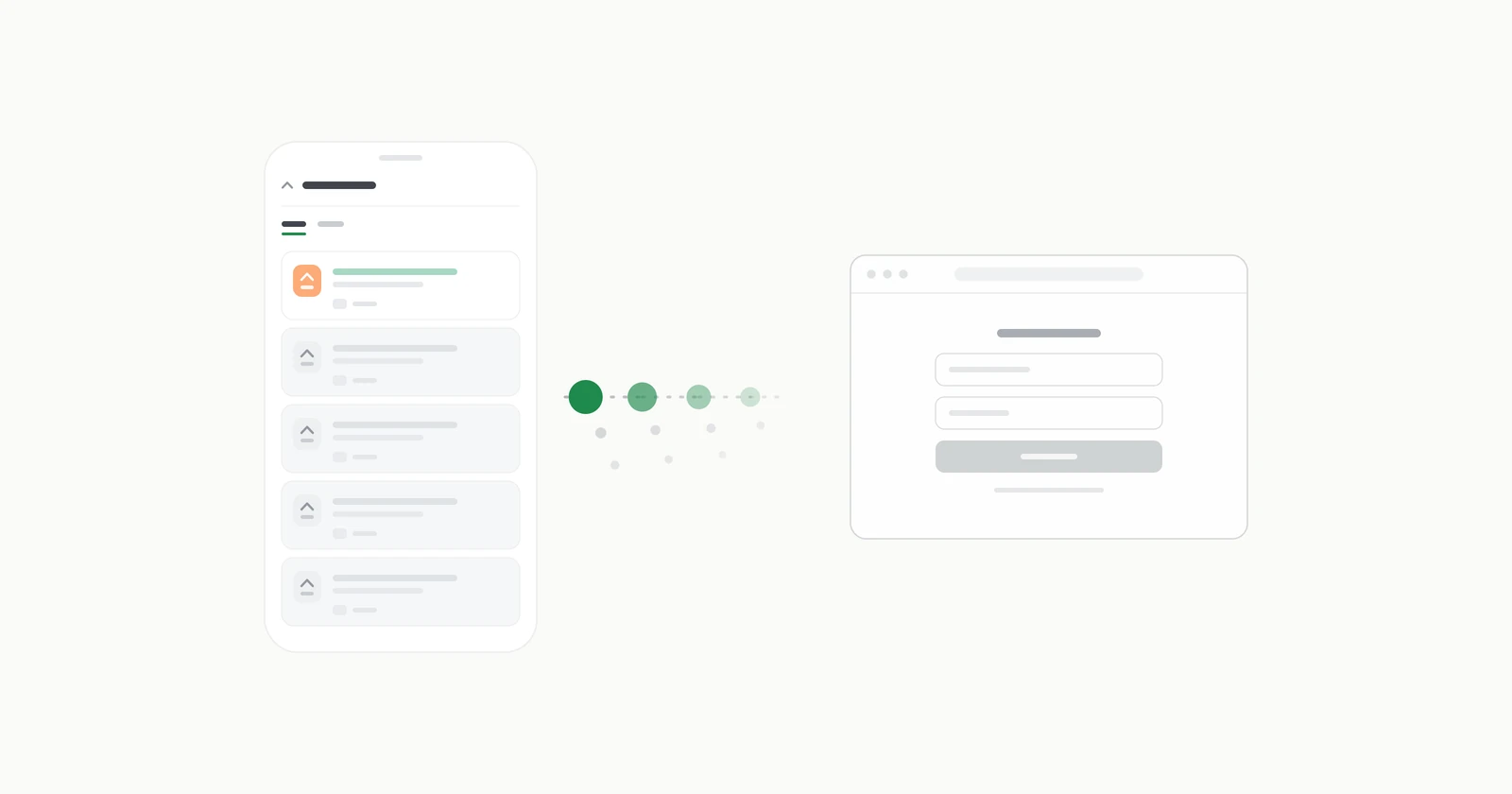
A phone showing a full feedback board, and a dotted path toward a browser login form that fades out and never arrives
Product September 3, 2026 · 5 min read

In-app feedback beats a feedback portal

A portal asks users to leave your app, make an account, and remember why they were annoyed. Each step drops people. In-app skips all three.
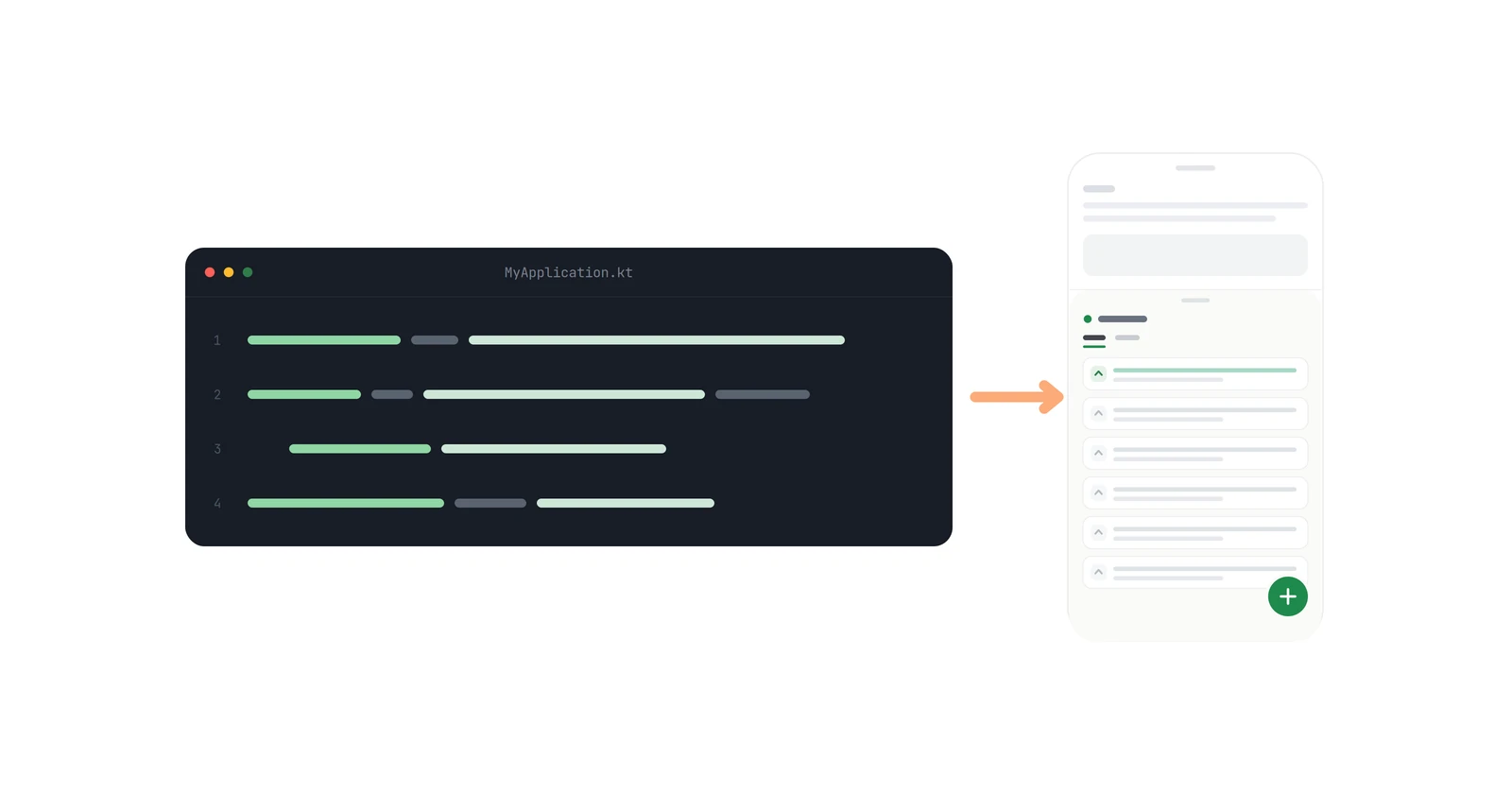
A code editor window with four Kotlin statements, an arrow pointing to a phone where a fedo feedback list has opened over the app
Guides August 28, 2026 · 6 min read

Add in-app feedback to an Android app in two calls

One Gradle line, one initialize call, one composable. What each step actually does, and the three places integrations usually go wrong.
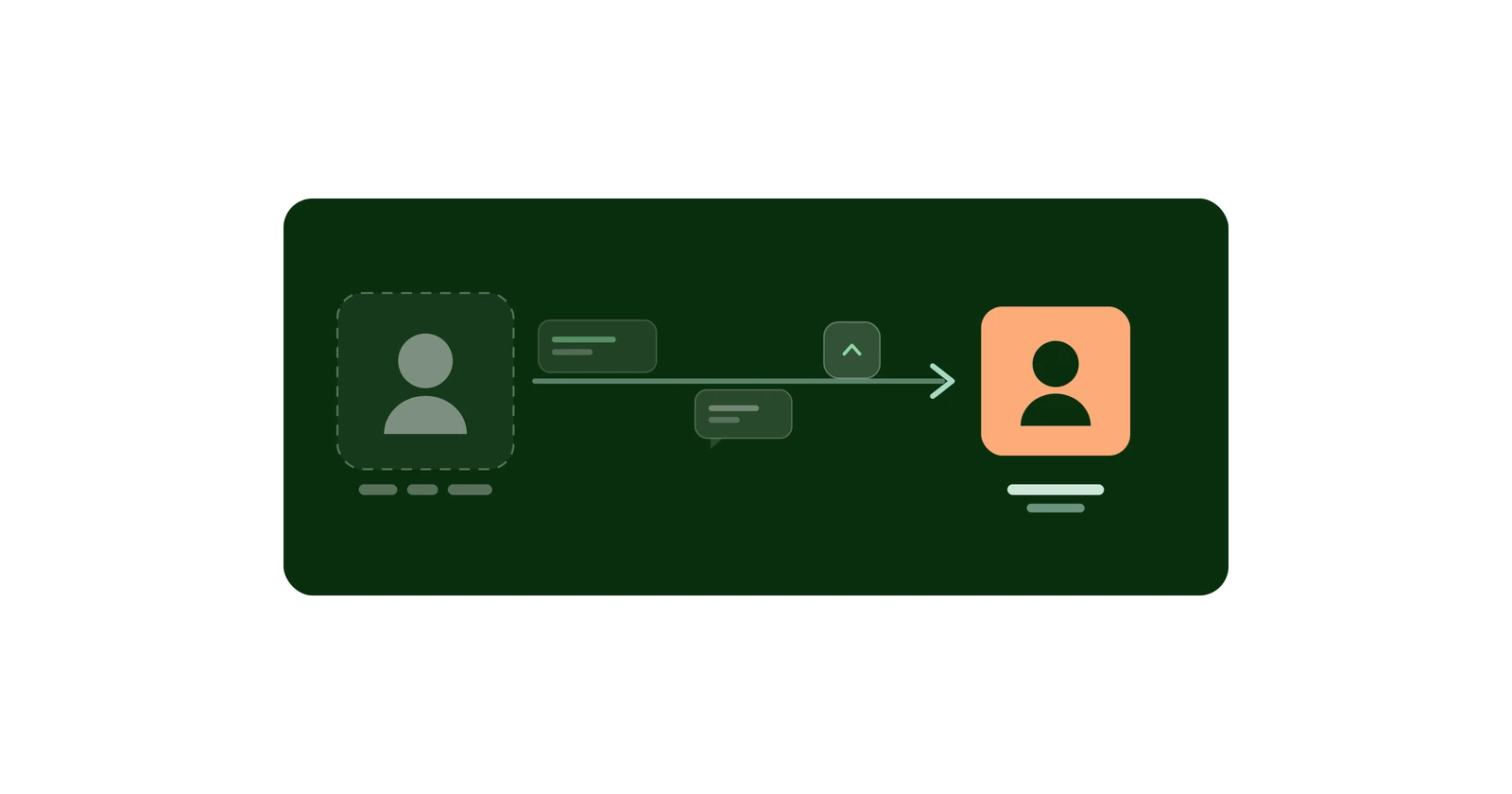
A dashed anonymous avatar with a random ID, its feedback, comments and votes travelling along a one-way arrow into a solid apricot account
Engineering August 29, 2026 · 6 min read

Migrating anonymous feedback to real accounts

Making people sign in before they can complain is how you get no feedback. The SDK starts everyone anonymous and migrates them once, in one direction.
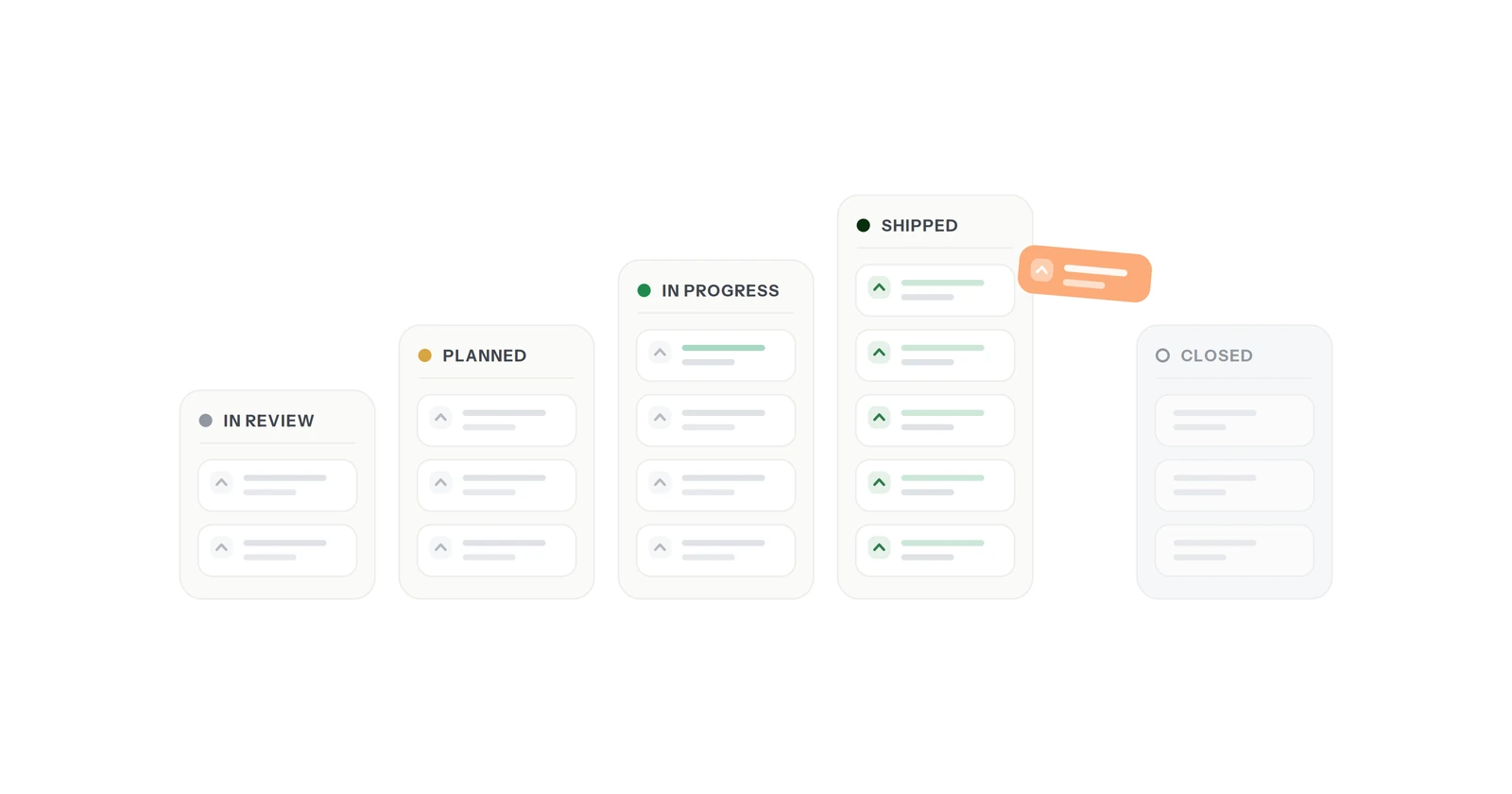
Roadmap board with five status columns, one card moving to Closed
Product August 25, 2026 · 9 min read

Five statuses are enough for a public roadmap

In Review, Planned, In Progress, Shipped, Closed. What each one promises the person who asked, and why the fifth had to be a bucket rather than a verdict.
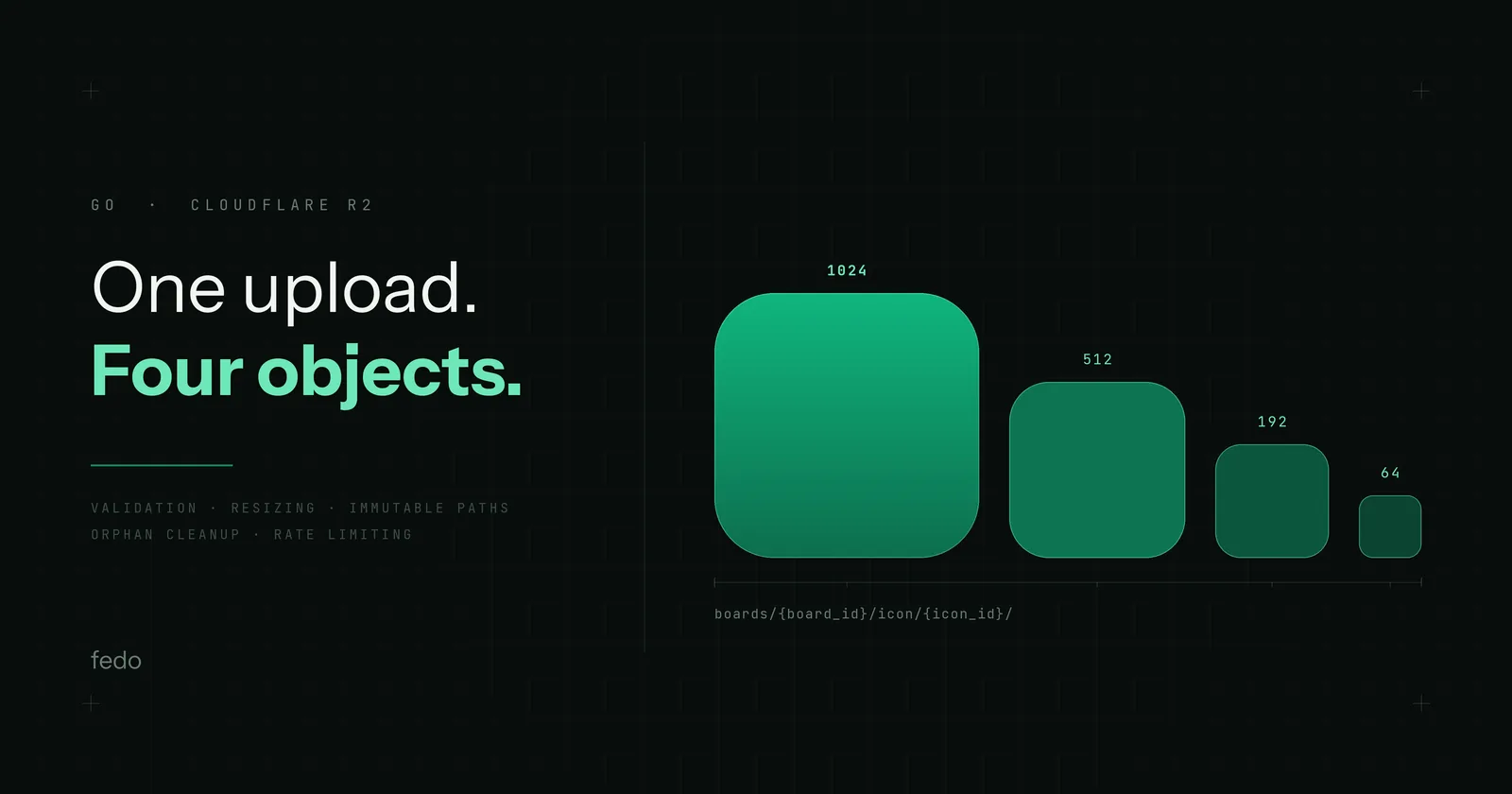
Screenshot of a fedo board with custom icons uploaded for each feedback board
Engineering August 22, 2026 · 10 min read

Image uploads on a Go backend: R2 and orphan cleanup

Board icons started as one endpoint and ended up touching storage layout, image processing, cleanup jobs, and rate limiting. Here is the architecture.

Ship feedback that listens.

Collect feedback inside your app and let users vote on what ships next.